








Texas
Blind Trust

You can hire a lawyer or law firm to create a Blind Trust for you, or you can purchase a fill in the blank Blind Trust template from any number of online legal forms websites.

You arrange to have two witnesses age 18 or older that aren’t mentioned in your Blind Trust physically present at the time of your Blind Trust signing. Both witnesses must also have who have a valid (can’t be expired) U.S government photo ID to show the Texas notary public.

You contact Mobile Austin Notary to schedule a date, time, and location to have one of our mobile Texas notaries travel to you and be physically present at your Blind Trust signing.

The signors of the Blind Trust must present a valid (can’t be expired) U.S government photo ID to the Texas notary public. Then sign their Blind Trust physically in front of both the Texas notary public and the two witnesses to legally execute the Blind Trust in Texas.
Blind
Trust Texas
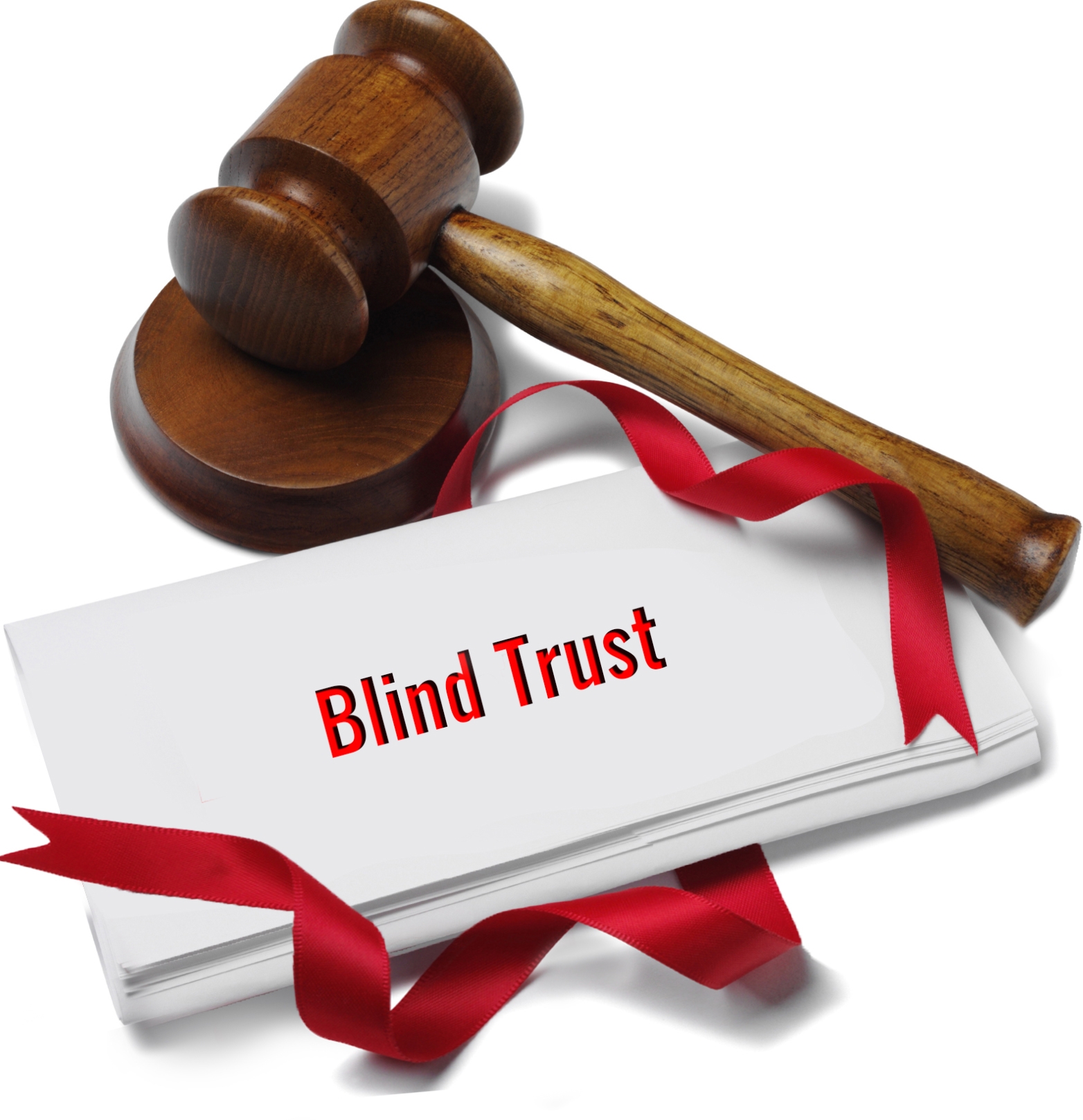
A Blind Trust allows the trustees or anyone who is holding power of attorney to handle the assets of the trust without the knowledge of the beneficiaries. These trusts can be useful in situations where the beneficiary should be kept unaware of the contents of the trust to avoid conflicts of interest
Texas
Requirements
To Execute A
Blind Trust

Age
The testator (the person or people who will be signing the Blind Trust) must be at least 18 years old with one of these valid (can’t be expired) U.S government forms of photo identification which can be a U.S driver’s license, U.S passport, U.S state identification card, U.S License To Carry (LTC) card, or a U.S military/uniformed services ID card to show a Texas notary public.
Capacity
The testator must be of sound mind (be fully conscious and lucid as well as capable of reasoning and making autonomous decisions), not be forced or deceived into signing the Blind Trust, and have the intention to pass on property at death.
It’s okay if the testator (signer), because of injury, trauma, or illness, can’t physically sign their full legal name. A personal mark of some sort made by the testator on a legal document in front of a Texas notary public will legally suffice in extreme physical impairment situations.
Signature
A Blind Trust must be signed by the testator or another person at his or her direction and in his or her presence.
Witnesses
A Blind Trust, by Texas law, must be attested by two witnesses (the notary public cannot legally be one of the two witnesses in Texas) that are at least 18 years old and are considered non-interested third parties.
Meaning the two witnesses cannot be a named beneficiary, be married or directly related (children) to a beneficiary or be mentioned in any capacity in the Blind Trust they are witnessing.
All witnesses must have a valid (can’t be expired) U.S government photo identification card which can be a U.S driver’s license, U.S passport (it cannot be a foreign passport or Visa), U.S state identification card (any U.S state), License To Carry (LTC) or a U.S military photo ID card) to show a Texas notary public and they must sign in the presence of the testator.
Texas Notary Public
In the State of Texas a licensed Texas notary public must be present at a Blind Trust signing to verify the identities of all parties (Trust signors and the two adult witnesses) involved and witness the testator signing all the legal document paperwork that is included in the Blind Trust.
It is extremely important to make some type of Texas Will or a Texas Trust if you want to control the distribution of your estate.
If you die before you make a Texas Will or Texas Trust you are said to have died “intestate”, and your property will be distributed according to strict State of Texas probate code laws.
Mobile Austin Notary always recommends to consult with a licensed lawyer, certified public accountant (CPA), and/or an estate, probate, or financial planner before you try to create or execute a Texas Blind Trust for your family, business or for yourself.
• Qualified Personal Residence Trust
• Qualified Terminable Interest Property Trust
• Reciprocal Will
• Revocable Living Trust
• Separate Share Trust
• Shark Fin Charitable Lead Annuity Trust
• Simple Will
• Spousal Testamentary Special Needs Trust
• Statutory Will
• Testamentary Trust
• Third Party Special Needs Trust
• Totten Trust
Disclaimer: The content on this page and website is only intended to be used as general legal terminology, research, and definition information.
It is not to be considered by anyone to be financial, accounting, estate and probate planning, legal advice or legal consultation in any shape or form.